
AHAC and Egypt’s Unified Procurement Authority Extend Strategic Partnership to Strengthen End-to-End Health Commodity Supply Chains Across Africa
Cairo, Egypt – June 2026
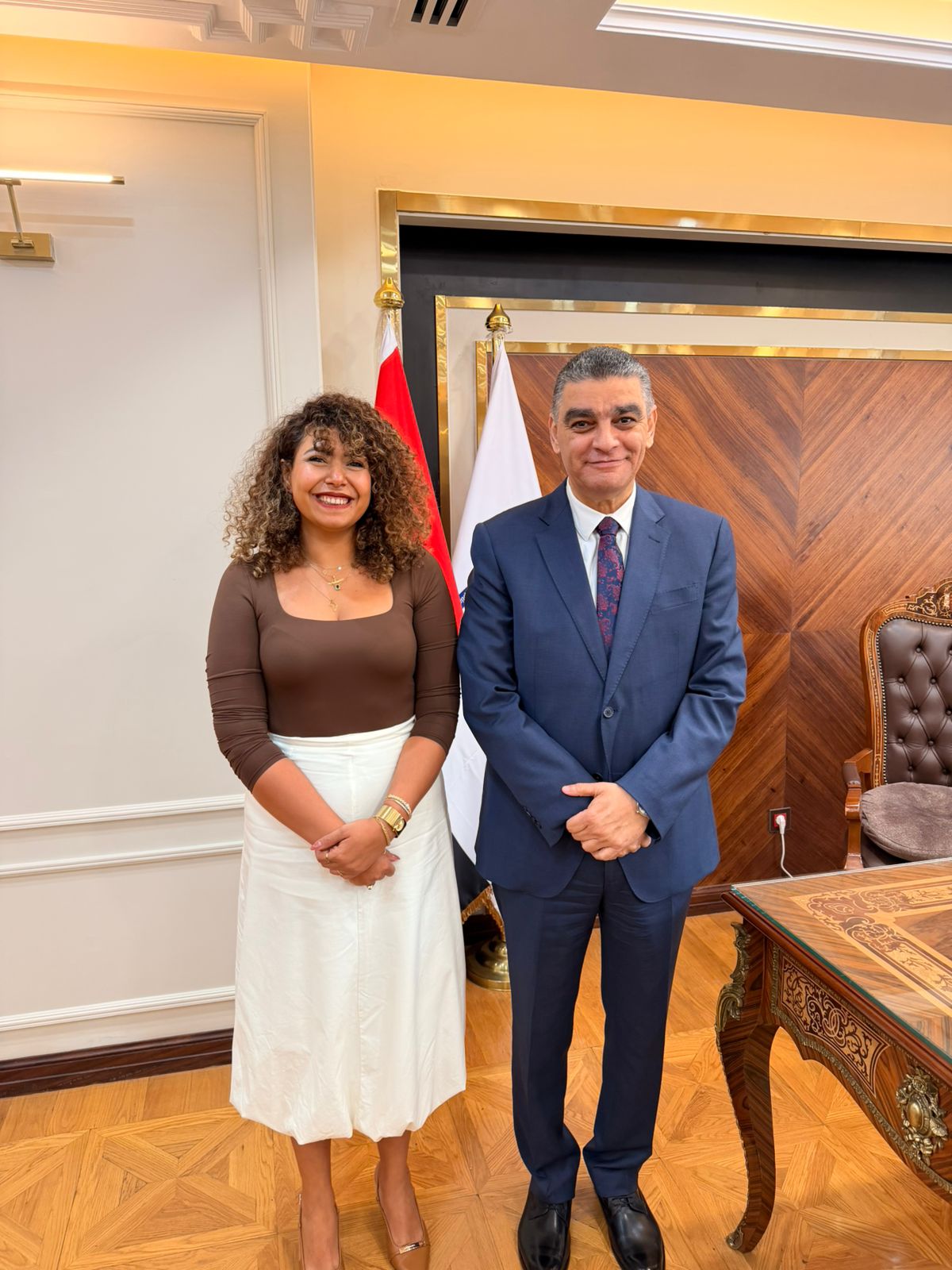
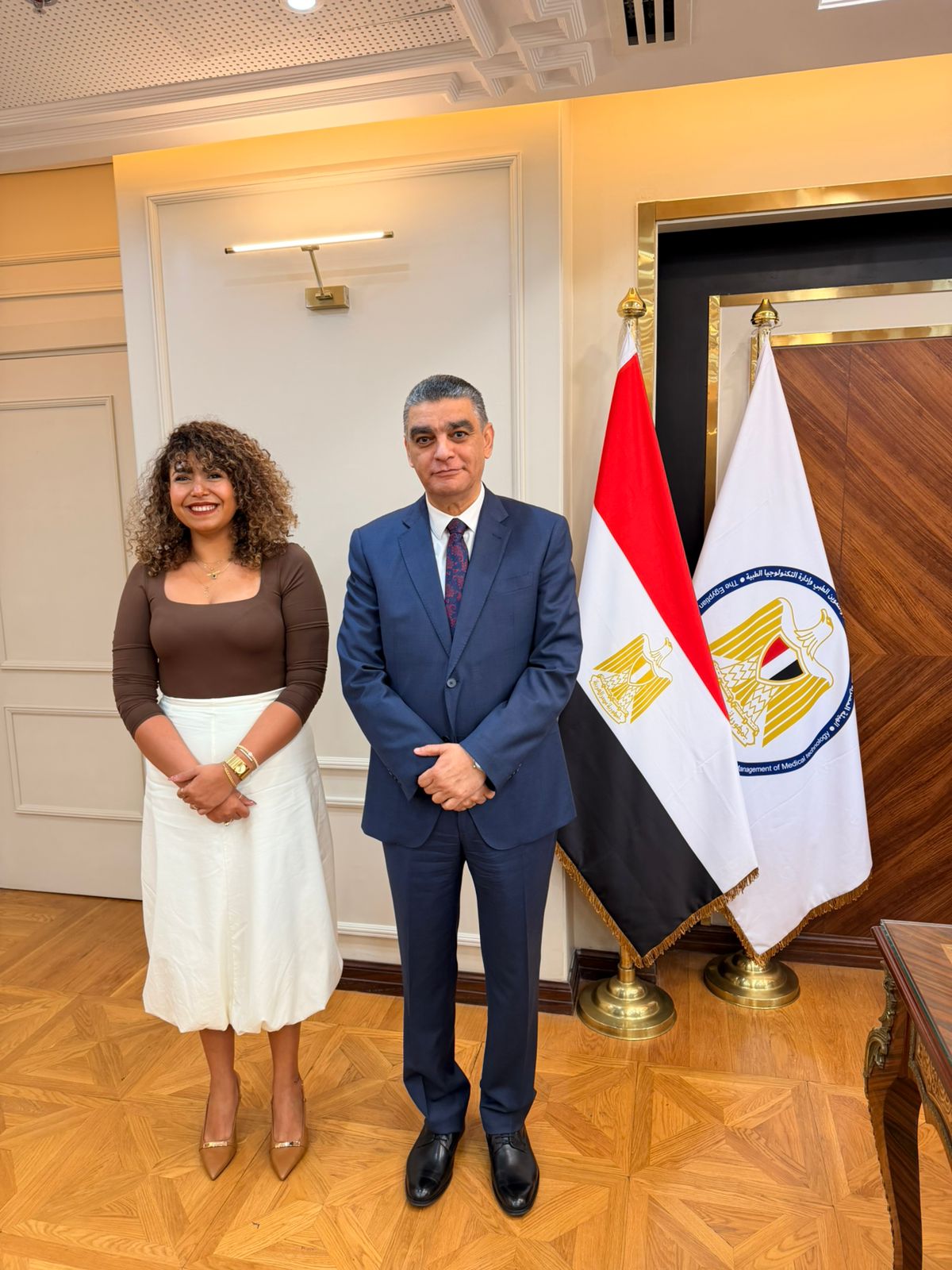
Dr. Mary Moussa, Co-Founder and Chief Executive Officer of Africa Health Access Consortium (AHAC), met with Dr. Hisham Stait, Chairman of Egypt’s Unified Procurement Authority (UPA), to mutually extend their institutional commitment. The partnership will leverage UPA’s specialized expertise in public-sector supply chain management to strengthen the full value chain of procurement, warehousing, and distribution across priority African countries, with the goal of sustainably increasing access to essential health commodities.
The extended collaboration positions UPA’s proven model of unified procurement and integrated supply chain operations as a reference for scalable, context-appropriate solutions. It aligns with AHAC’s mandate to design coherent policy architecture, evidence platforms, investment logic, and implementation backbones that translate continental and national health priorities into operational reality.
“UPA’s experience in centralized strategic sourcing, transparent tendering, inventory optimization, and reliable distribution has delivered measurable improvements in commodity availability, cost efficiency, and supply chain resilience within Egypt’s healthcare system,” said Dr. Hisham Stait. “We are pleased to extend this partnership with AHAC to share institutional knowledge and support African governments in building robust, sovereign supply chains that reduce fragmentation and stockouts while improving last-mile delivery.”
Dr. Mary Moussa emphasized the strategic fit: “AHAC architects health systems transformation by bridging policy intent with delivery systems at scale. By integrating UPA’s strengths across the procurement-to-distribution continuum—including demand forecasting, category management, warehousing standards, quality assurance, and multi-modal logistics—we can help priority countries achieve greater commodity security and advance Universal Health Coverage goals through African-led, evidence-based approaches.”
Key focus areas of the extended commitment include:
- Procurement optimization: Adoption of best practices in strategic sourcing, supplier prequalification, e-procurement platforms, and pooled or coordinated procurement mechanisms where they add value without compromising national sovereignty.
- Warehousing and inventory management: Assessments and upgrades to storage infrastructure, implementation of modern inventory control systems, temperature-controlled logistics where required, and protocols to minimize wastage, expiry, and stock imbalances.
- Distribution and last-mile delivery: Design of efficient, resilient distribution networks, route optimization, and innovative delivery models that reach primary healthcare facilities and underserved populations.
- Cross-cutting enablers: Strengthened supply chain visibility through data analytics and digital tools, improved demand quantification, risk mitigation and contingency planning, and targeted capacity building for national and sub-national supply chain teams.
The partnership will identify priority countries through joint needs assessments, building on AHAC’s active engagement across more than a dozen nations in North, East, West, Central, and Southern Africa, as well as alignment with Regional Economic Communities and national health strategies. Early activities are expected to include technical exchanges, joint diagnostic missions, and the co-development of implementation roadmaps and monitoring frameworks.
This collaboration exemplifies South-South knowledge exchange and institutional strengthening at a time when resilient, efficient health supply chains are critical to pandemic preparedness, routine service delivery, and the broader objectives of the New Public Health Order. Both leaders expressed optimism that the extended partnership will generate concrete, measurable improvements in commodity availability, affordability, and equity of access.
AHAC and UPA will now move to detailed joint workplanning, with further announcements on specific country engagements and capacity-building initiatives expected in the coming months.